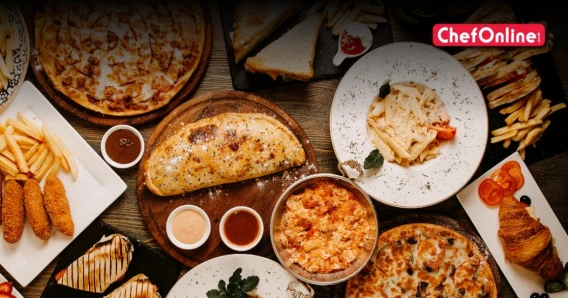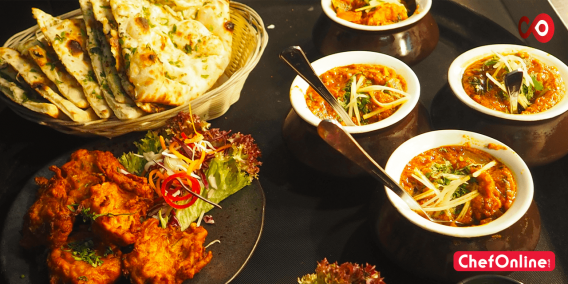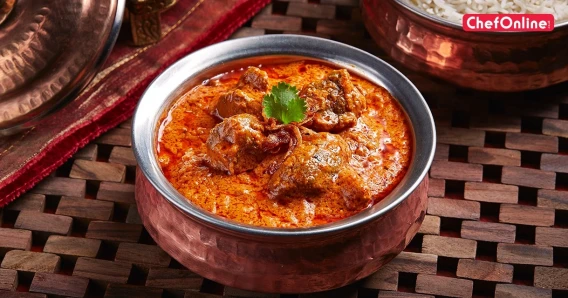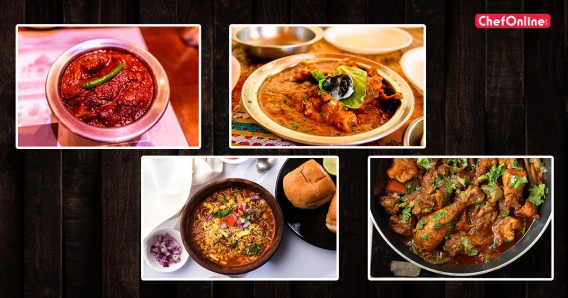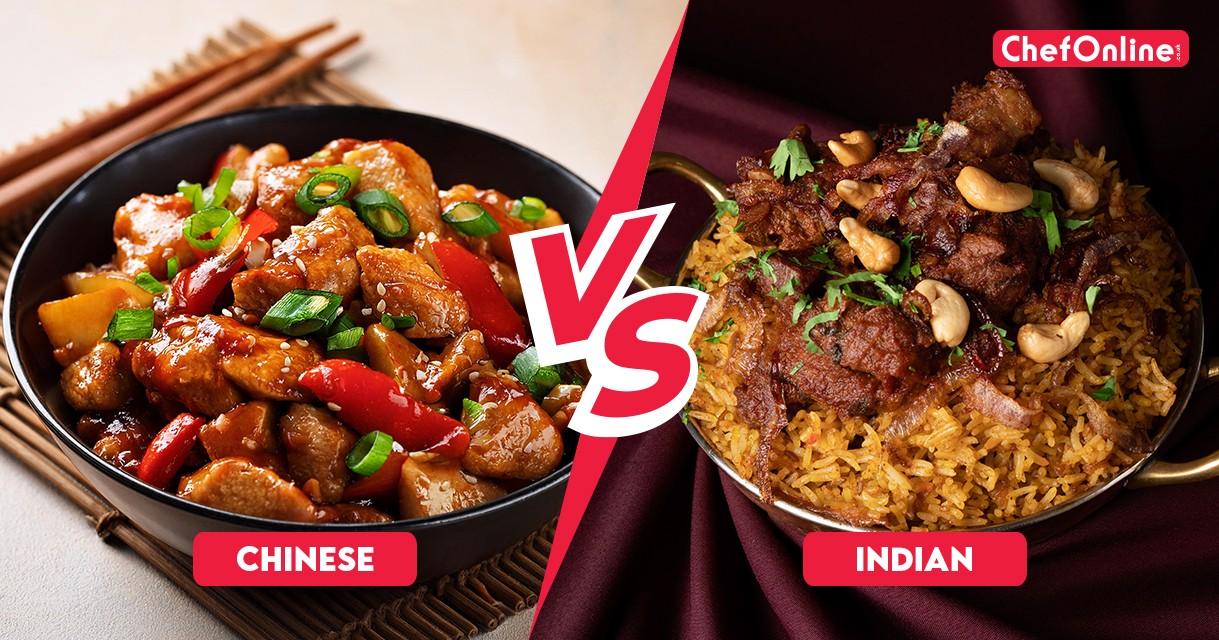
It's a question most of us have faced at some point. You've got the takeaway app open, everyone in the house is throwing out suggestions, and somehow the conversation always ends up in the same place.
Chinese or Indian?
These two cuisines have been battling it out for the top takeaway spot in the UK for years. Walk down almost any high street, and you'll probably find both within a few minutes of each other. They're popular for different reasons, and that's exactly why choosing between them can be surprisingly difficult.
A Chinese takeaway often feels quick, easy and ideal for sharing. An Indian takeaway usually brings richer flavours, warming spices and dishes that encourage everyone to sit down and eat together.
Neither is better. They're simply different.
If you're stuck deciding between a Chinese and an Indian takeaway tonight, this guide will help you understand the flavours, cooking styles, nutrition, and occasions where each one shines.
Chinese Takeaway – Flavour, Style & Experience
Chinese takeaway has become a go-to choice for millions of people across the UK. Part of the appeal is how varied the menu can be. You can order something crispy, something saucy, something spicy and something comforting all in the same order.
Taste Profile
One of the biggest differences in the Chinese takeaway vs Indian takeaway debate comes down to flavour. Chinese dishes tend to focus on a balance of sweet, salty and savoury tastes. Instead of relying heavily on spices, they often use ingredients like soy sauce, ginger, garlic, sesame oil and rice vinegar to build flavour.
That balance is why dishes like sweet and sour chicken remain so popular. You get sweetness, tanginess and savouriness all at once. Even spicy Chinese dishes often feel lighter than a traditional curry because the flavour isn't built around spice blends. For people who don't enjoy intense heat, Chinese takeaway can be an easier starting point.
Common Cooking Methods
Chinese cooking is known for speed. Many dishes are prepared using high-heat cooking methods that lock in texture and flavour without requiring hours of preparation.
Stir-Frying
Perhaps the most famous Chinese cooking method. Ingredients are cooked quickly in a hot wok, helping vegetables stay crisp while meats remain tender.
Deep Frying
This method creates the crispy textures many people love. Think crispy chilli beef, battered chicken balls and spring rolls.
Steaming
Steaming is often used for dumplings, seafood and certain vegetables. It also tends to produce lighter dishes compared to deep frying.
Popular Dishes in the UK
Some Chinese takeaway dishes have become household favourites.
The classics include:
- Sweet and sour chicken
- Chow mein
- Crispy aromatic duck
- Egg fried rice
- Spring rolls
Most people probably have a regular order they rarely change. You tell yourself you'll try something new, then somehow end up ordering the exact same chow mein you've ordered for the last three years.
Texture Experience
One thing Chinese takeaway does really well is variety. Within one meal, you might get crispy spring rolls, soft noodles, crunchy vegetables and fluffy rice. That contrast keeps every bite interesting. It's also why Chinese takeaway works so well for groups. Everyone can choose from a variety of dishes and build their own plate.
Healthier Choices (Data Insight)
Chinese takeaway sometimes gets labelled as unhealthy, but that's only part of the story. Like most cuisines, the nutritional value depends on what you order.
Steamed dumplings generally contain around 40% fewer calories than fried starters. Szechuan prawns served with boiled rice usually fall somewhere between 550 and 700 calories. Clear soups such as crab and sweetcorn soup often range from 150 to 250 calories per portion.
A common mistake is assuming every Chinese takeaway has to involve battered meat and fried rice. Choosing steamed dishes, seafood options, and vegetable-based sides can make a noticeable difference.
Indian Takeaway – Flavour, Style & Experience
Indian takeaway offers a completely different experience. While Chinese food often focuses on balance and texture, Indian food is built around layers of flavour that develop through spices and cooking techniques.
Many people associate Indian takeaway with weekends, family meals and celebrations. It's the kind of food that encourages you to slow down and enjoy the meal rather than rushing through it.
Taste Profile
The defining feature of Indian takeaway is spice. That doesn't necessarily mean heat. A lot of people assume Indian food is all about chilli, but the real magic comes from combining spices such as cumin, coriander, turmeric, cardamom and garam masala.
Butter chicken and lamb rogan josh may share some spices, yet they taste completely different because of how those spices are used. That's what gives Indian food its depth.
Cooking Methods
Many popular Indian takeaway dishes rely on cooking methods that have been refined over generations.
Slow-Cooked Curries
Curries are often simmered for extended periods. This allows spices, onions, tomatoes and proteins to blend together and create richer flavours.
Tandoori Grilling
Tandoori cooking involves grilling meat, fish or vegetables in a clay oven. The result is smoky, slightly charred and packed with flavour.
Pan-Fried Gravies
Many curries begin with onions, garlic, ginger and spices slowly cooked together before the main ingredients are added. It's a simple process, but it creates the foundation for countless dishes.
Popular Dishes in the UK
Several Indian takeaway dishes have become British favourites.
The most commonly ordered include:
- Chicken tikka masala
- Lamb rogan josh
- Butter chicken
- Biryani
- Saag paneer
These dishes cover everything from mild and creamy to rich and spicy. It's one reason Indian takeaway appeals to such a wide audience.
Texture Experience
Indian food is often about richness and comfort.
You'll usually find:
- Thick curry sauces
- Tender meats
- Soft naan breads
- Fragrant rice dishes
A good curry coats every bite with flavour. Adding naan bread into the mix creates another layer of texture that many people consider essential.
Best Occasions for Each Cuisine
A big part of deciding between Chinese vs Indian takeaway comes down to the situation.
Chinese Takeaway Is Best For
Chinese takeaway tends to be the winner when you're after:
- A quick evening meal
- Movie nights at home
- Sharing multiple dishes
- Lighter comfort food
There's something about opening several containers and letting everyone help themselves that suits relaxed evenings.
Indian Takeaway Is Best For
Indian takeaway often works better for:
- Family dinners
- Birthday celebrations
- Weekend meals
- Vegetarian-friendly gatherings
Indian food naturally encourages people to sit around the table and spend more time eating together. Many vegetarian guests also find far more choice on Indian menus compared to other takeaway cuisines.
Quick Comparison
|
Feature |
Chinese Takeaway |
Indian Takeaway |
|
Main Flavours |
Sweet, savoury, umami |
Rich, aromatic, spicy |
|
Cooking Methods |
Stir-fried, steamed, fried |
Slow-cooked, grilled, pan-fried |
|
Texture |
Crispy and light |
Thick and hearty |
|
Spice Level |
Mild to medium |
Mild to very spicy |
|
Sharing Style |
Small dishes |
Main meals with sides |
|
Vegetarian Options |
Good |
Excellent |
|
Best For |
Quick meals and sharing |
Family dining and celebrations |
How to Decide Between Chinese and Indian Takeaway
Still undecided? Try asking yourself these questions.
How Much Spice Do You Enjoy?
If you usually avoid spicy food, Chinese takeaway may feel like the safer option. If you enjoy warming spices and richer flavours, Indian takeaway could be more satisfying.
Are You After a Lighter or Heavier Meal?
Chinese food often feels lighter, especially if you're ordering stir-fried dishes. Indian meals tend to feel more substantial because of curries, rice and bread combinations.
Do You Need Vegetarian Options?
Indian takeaway has one of the strongest vegetarian selections of any cuisine. Dishes featuring lentils, chickpeas, paneer and vegetables often sit alongside meat-based options rather than being treated as an afterthought.
What's the Occasion?
Ordering for a movie night? Chinese takeaway usually works brilliantly. Planning a family dinner? Indian takeaway often feels like the better fit.
What Are You Craving?
Sometimes the answer is as simple as listening to what sounds good. A craving for noodles, crispy starters and savoury sauces points towards Chinese food.
A craving for curry, naan and aromatic rice usually points towards Indian food. Most people who regularly order food online switch between the two depending on their mood rather than choosing a permanent favourite.
Final Thoughts
The Chinese takeaway vs Indian takeaway debate probably won't be settled anytime soon. Chinese takeaway offers speed, variety and a balance of sweet and savoury flavours that make it perfect for casual evenings and sharing with friends.
Indian takeaway brings rich spices, comforting curries and a dining experience that feels a little more substantial. Neither choice is wrong. The best takeaway is usually the one that matches your mood, your company and the kind of evening you're planning. And if you still can't decide, there's always next weekend for the other one.
FAQs
Which is healthier, Chinese or Indian takeaway?
Both can be healthy depending on your choices. Steamed Chinese dishes and tandoori Indian dishes are generally among the lighter options.
Is Chinese takeaway less spicy than Indian takeaway?
In most cases, yes. Chinese takeaway often focuses on savoury and sweet flavours, while Indian dishes rely more heavily on spices.
What is the UK's favourite Indian takeaway dish?
Chicken tikka masala remains one of the most popular Indian takeaway dishes across the UK.
What is the most ordered Chinese takeaway dish?
Chow mein and sweet and sour chicken are consistently among the most ordered Chinese takeaway dishes.
Which takeaway is better for vegetarians?
Indian takeaways usually offer a wider range of vegetarian dishes, including paneer curries, lentil dishes, and vegetable biryanis.
Can I order both cuisines for a party?
Absolutely. Many people order food online from multiple restaurants when catering for larger groups with different tastes.